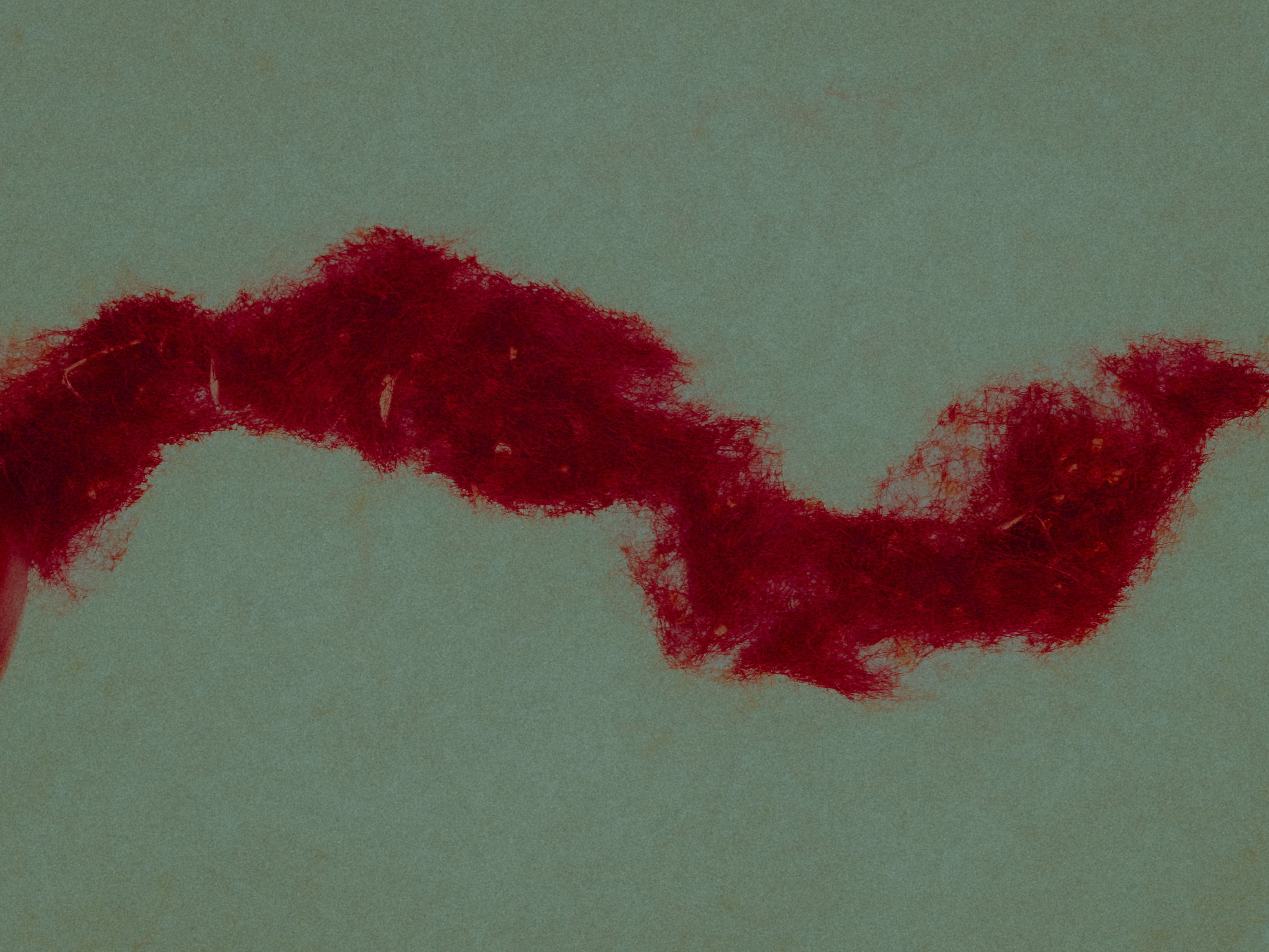
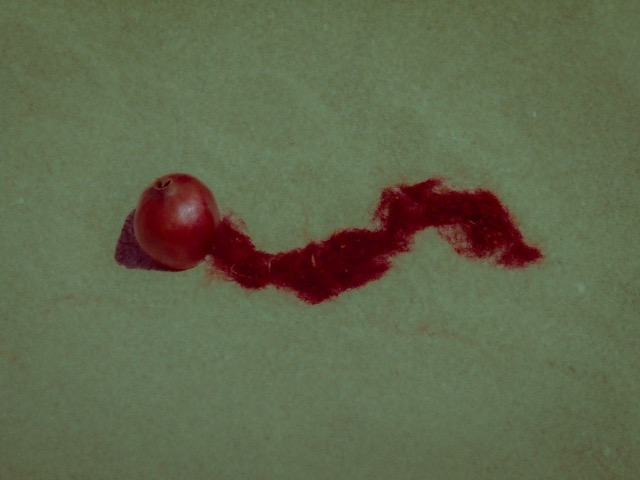
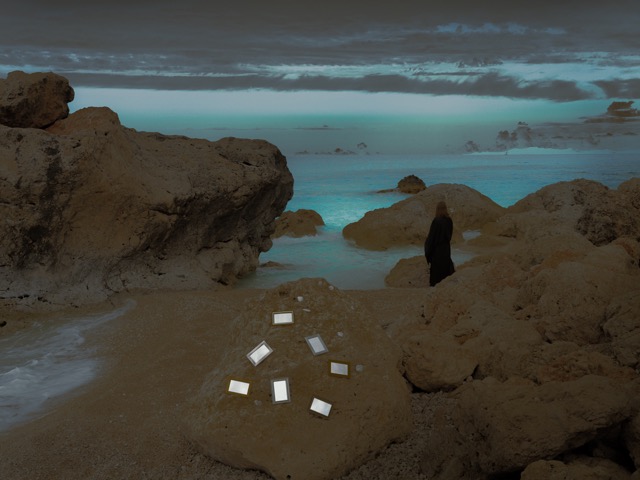
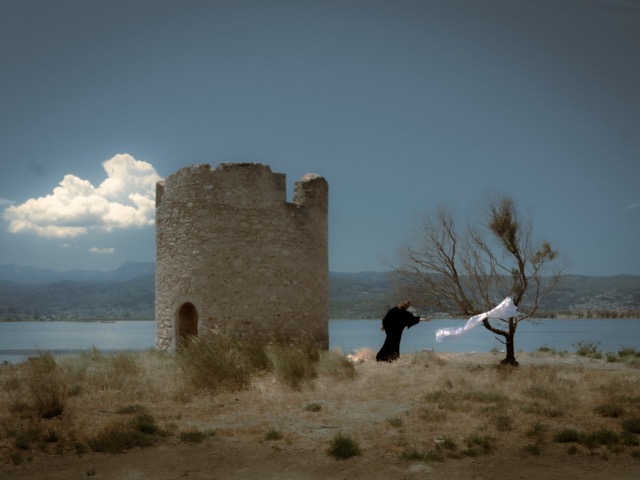
ΘΕΩΡΙΑ (theōría) is a body of work concerned with the human desire to know the truth, and the weight of what we come to know. The Greek word θεωρία (theōría) refers to looking, observation, and contemplation, not simply the act of seeing, but a way of approaching understanding through the act of looking. Truth, here, is not simply the opposite of falsehood. It refers instead to something more elusive: the nature of the self and the world, and perhaps some underlying order that remains beyond what we are able to know.
There is something persistent in the human desire to understand ourselves and the world we inhabit, to reach towards what cannot be seen and ask what lies behind it. Yet to see more is not necessarily to know more, and to know more does not necessarily make life better.
Greek mythology and tragedy repeatedly return to the suffering of those who attempt to know beyond human limits. One pursues the truth until, upon finally discovering what he has been searching for, he blinds himself. Another, deprived of sight, knows what remains invisible to everyone else. Seeing and knowing do not coincide. Knowledge may expand our understanding of ourselves and the world, but it also exposes problems and limitations that previously remained unseen. The unknown recedes, yet in doing so seems only to reveal its immensity.
This contradiction extends to consciousness itself. We are capable of contemplating our own existence, of anticipating its end, and of recognising our limits while still reaching beyond them. Consciousness allows us to comprehend the world, but the same faculty makes us aware of death, suffering, the uncertainty of existence, and the limits of our own understanding. The further consciousness extends, the more acutely we encounter both our limitations and the immensity of what remains beyond them. At its extreme, consciousness can become a burden in itself.
And yet consciousness does not preserve everything. We forget. Perhaps forgetting is not merely a failure of knowledge, nor simply something to be overcome, but one of the conditions through which the weight of consciousness becomes bearable. There is a contradiction here that lies at the centre of ΘΕΩΡΙΑ: the consciousness that drives us towards knowledge, that allows us to understand and expand our world, may also be the very thing from which we occasionally need relief.
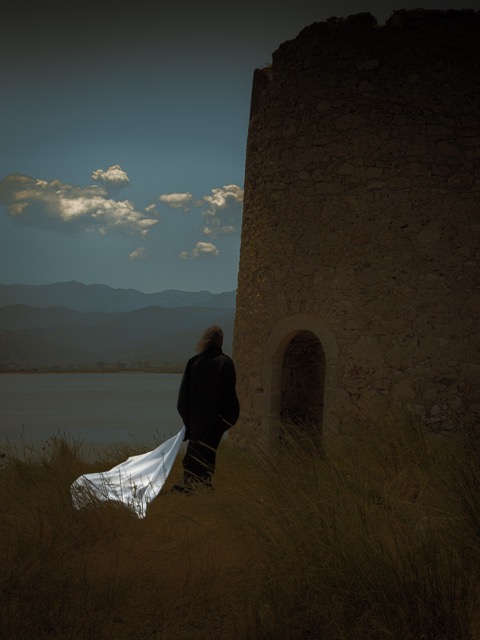
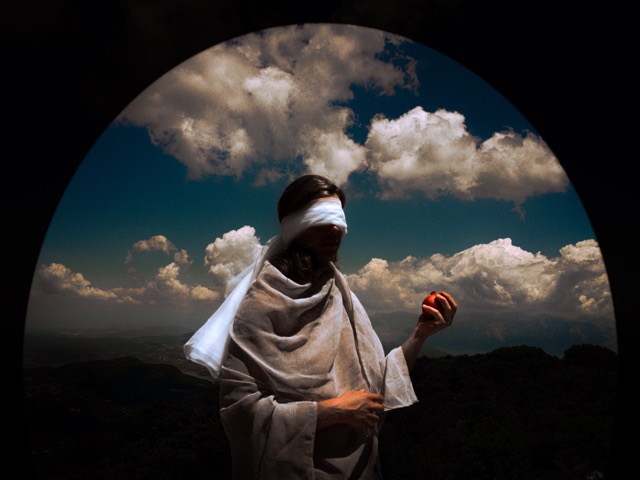
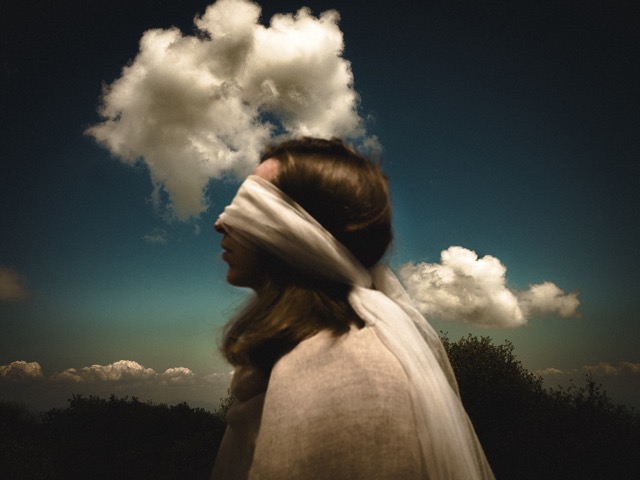
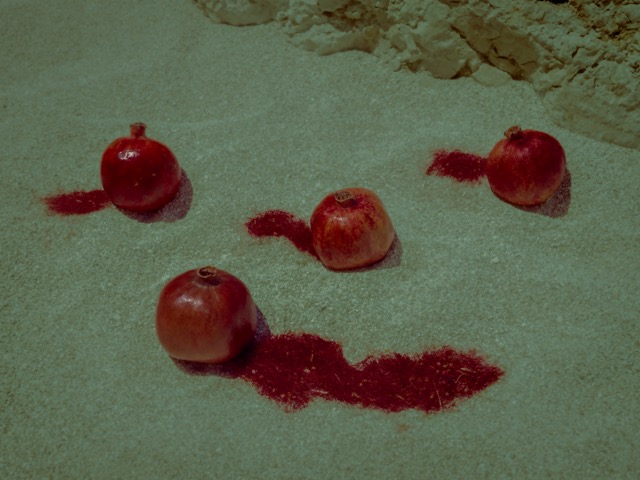
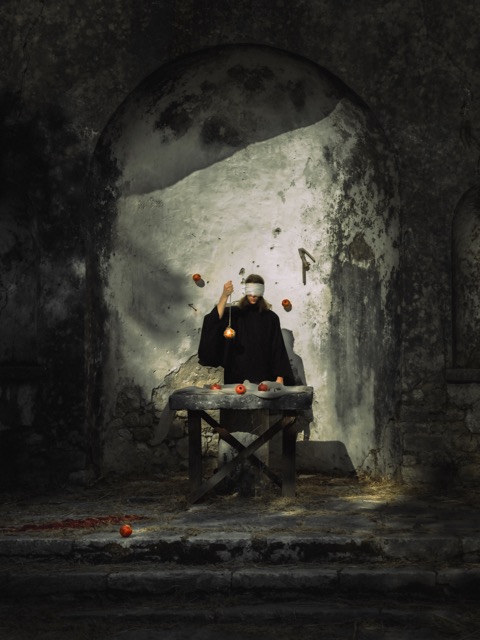
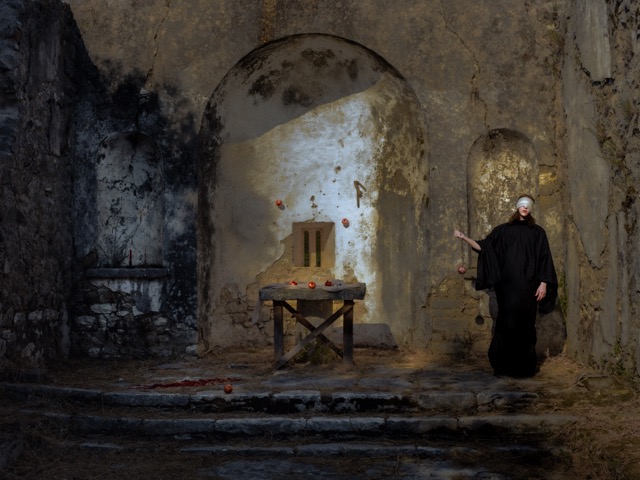
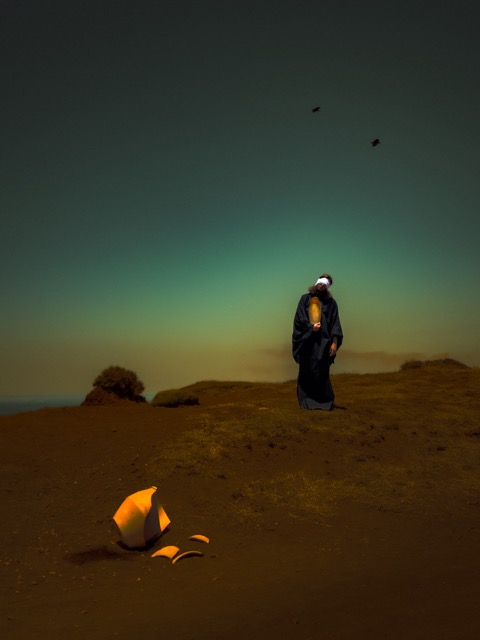
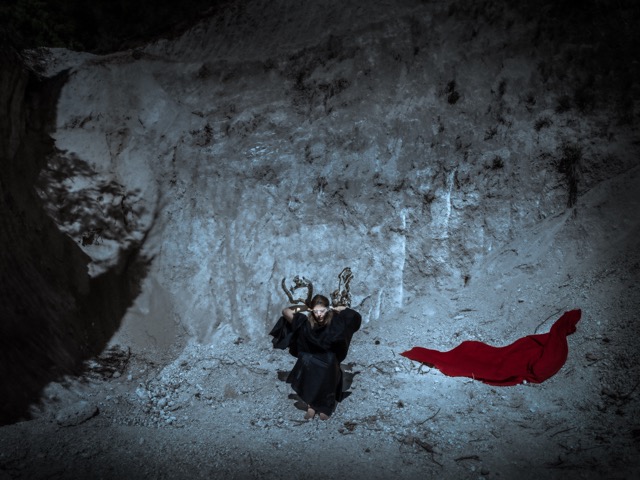
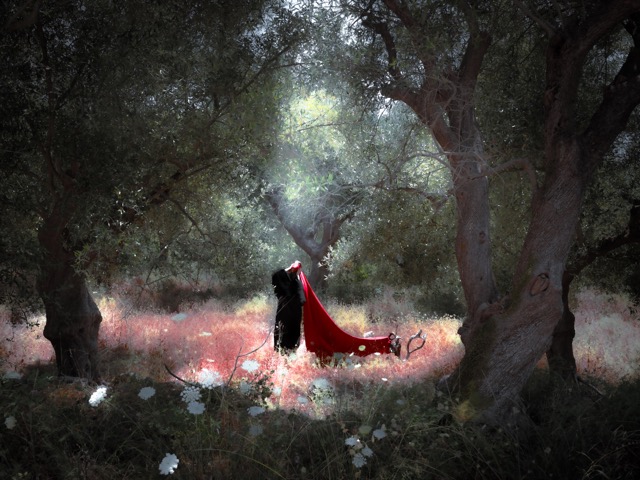
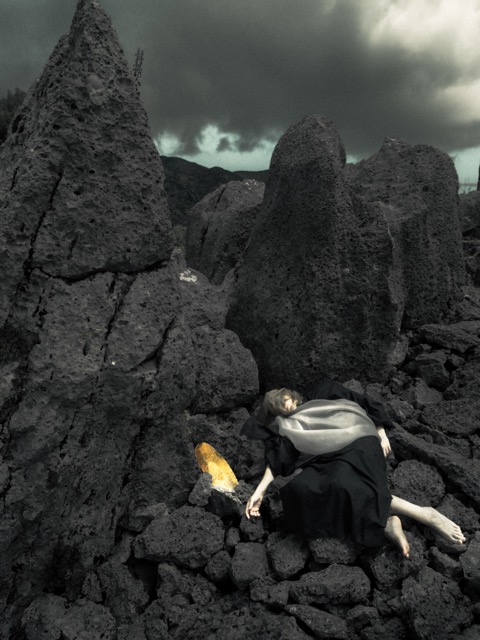
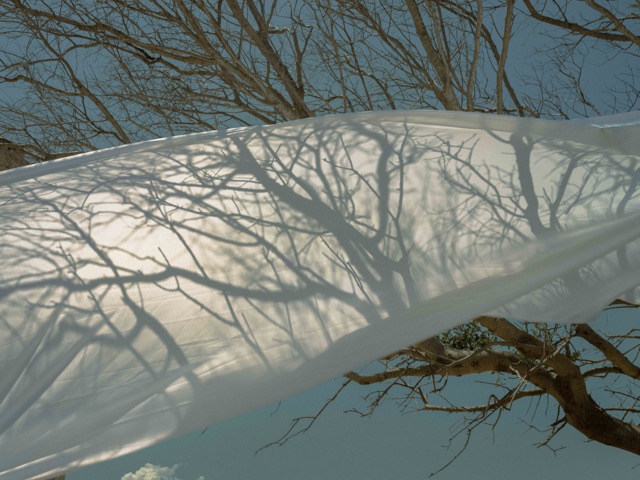
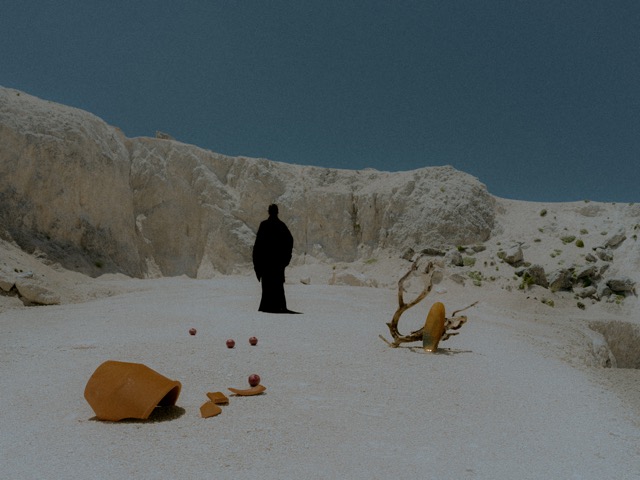
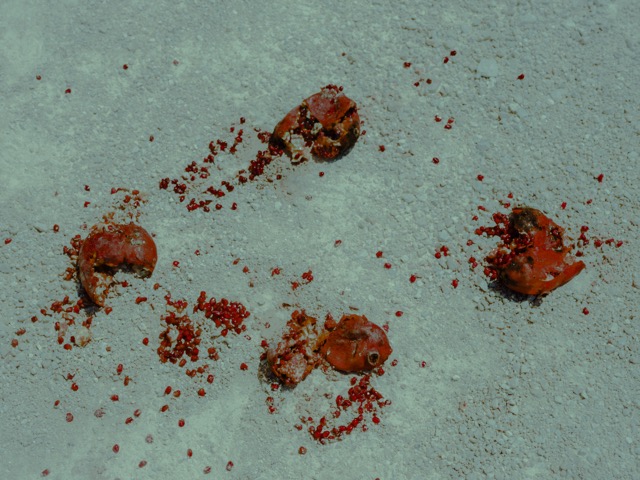
The figures, objects, landscapes, and symbolic acts within the work do not reconstruct particular scenes from mythology. Elements drawn from mythology and philosophy recur and shift between images, detached from their original contexts and brought into new relationships. No single image completes the narrative. The images point towards one another, while what lies between them remains unresolved.
ΘΕΩΡΙΑ looks at the desire to see what remains unseen, to understand what remains unknown, and to reach beyond the limits of our own understanding even as we become conscious of them.
If we were finally to know what we have been searching for, could we bear it?
My work begins with the questions and contradictions we encounter in the attempt to understand our own existence. We seek to understand ourselves and the world around us, yet such understanding does not necessarily bring liberation or reassurance. At times, knowing more can add to the weight of existence. Conversely, ignorance and oblivion can become conditions that allow us to continue living. I am interested in this human desire for truth, the contradictions inherent within it, and the different forms through which they have recurred across time.
Greek mythology serves as one point of departure for exploring these questions. What interests me in myth is not the representation of individual stories, but the way questions about human existence take form through narratives and figures, objects and symbols. Death and fate, knowledge and desire, truth and oblivion do not remain abstract concepts within myth. They become someone’s choices and actions, events that take place upon the body, and at times, objects or images. In this sense, I see mythology not as a collection of stories completed in the past, but as an accumulation of images and thought that humanity has created over centuries in an effort to understand itself.
I look at how the questions about human existence that I encounter in myth reappear, transformed, within the thought of different periods. I am particularly interested in the points at which ideas from different eras, responding to the same questions, meet or come into conflict. Depending on the period and perspective, a single question may lead to entirely different answers, while seemingly contradictory ideas may at times explain the human condition simultaneously. What matters to me is not to prove any one perspective, but to reconsider, from the standpoint of the present, the questions that humanity has confronted throughout its history.
Through photography, I translate these questions back into images. Rather than directly reenacting scenes or figures from mythology, I place figures and objects drawn from myth, bodily gestures, and symbols within real spaces, recombining elements that originate from different contexts and systems of thought. Elements that once belonged to a single narrative gradually depart from their established meanings within the photograph, forming new relationships and worlds. The symbols within these images function not as explanations with fixed meanings, but as clues open to multiple readings. These images are both a response to the questions I have contemplated over time and a form of the questions that remain.